
High-Rise Hallucinations
A deep dive into the hallucinations of Rendered Reality
MARS3 · BRUSSEL · ENGLISH
teacher(s): Pieterjan Ginckels
field of interest: Art and Architecture · Alternative Architectural Practice · Building Culture · Media · Representation
attitude: Critical · Reflective · Experimental
method of inquiry: Fieldwork · Observation · Research by Design
design media: Curatorial · Narrative · Model-based
learning environment: Individual trajectory · Collective learning · Dialectic
study trip: No
Description
HIGH-RISE HALLUCINATIONS is the sequel to the Piercing the Rendering studio series.
The studio unfolds in two phases.
The first phase, Discriminator, studies Render-Culture through analytical and performative methods. Brussels serves as a field laboratory in which renderings, developer marketing, construction-site banners, show apartments, social media environments and completed projects are examined as parts of a common representational ecosystem. Drawing from precedents such as Pilvi Takala’s performative infiltrations, the self-critical provocations of Fax-Bak Service, and the evidentiary logic of Calling Bullshit (Bergstrom & West), students develop and test their own methods for identifying and exposing the assumptions embedded within contemporary architectural images. Findings are assembled in a collective Render-Culture Jam.
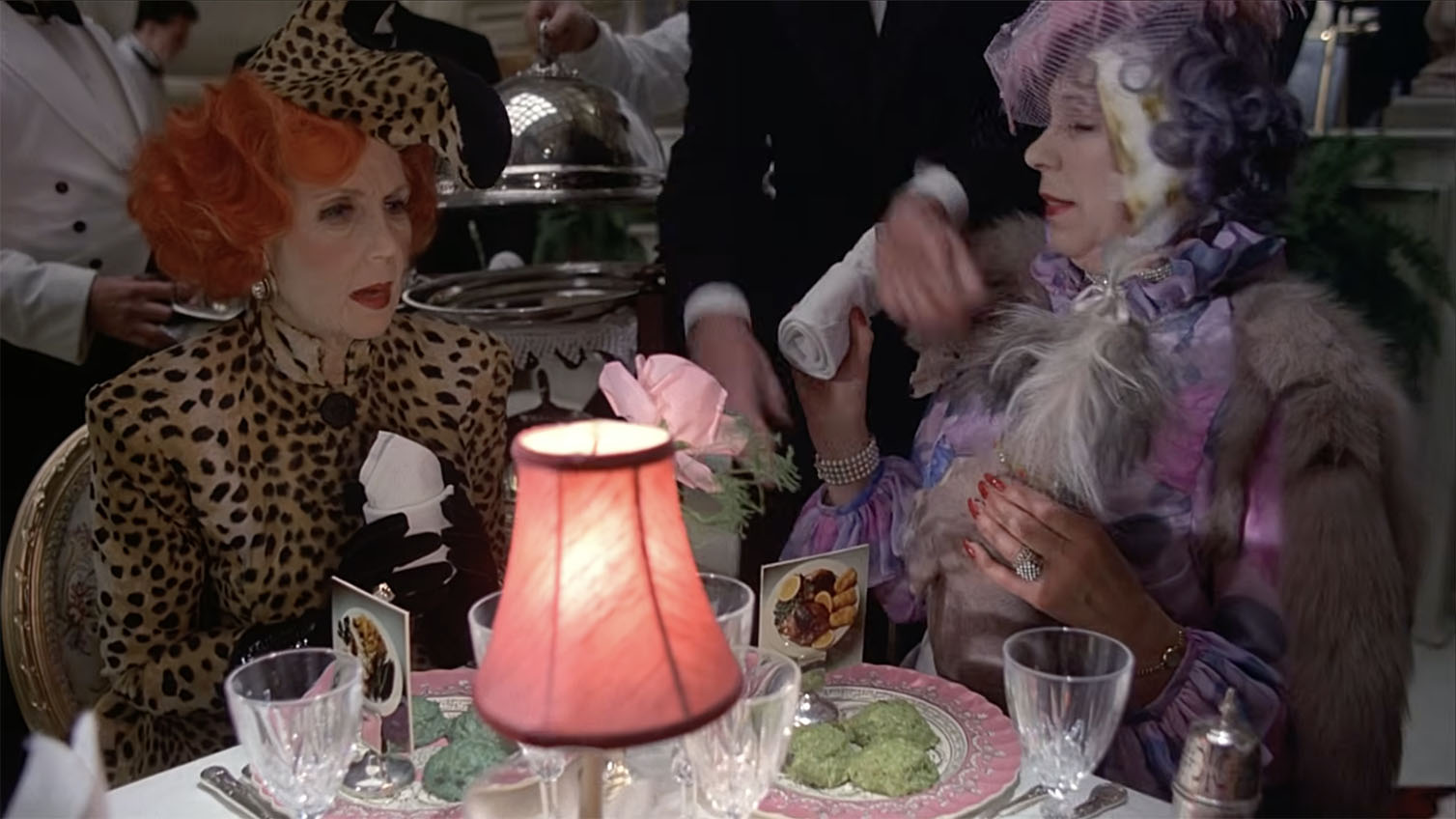
The second phase, Hallucinations, shifts from critique to speculation. Taking the threatened Palais du Midi in Brussels as a vessel, students develop architectural provocations and worst-case scenarios inspired by works such as J.G. Ballard’s High-Rise, Terry Gilliam’s Brazil, Arakawa and Gins’ Reversible Destiny Lofts, François Roche’s Dusty Relief and Isa Genzken’s Ground Zero. Rather than resolving problems, projects exaggerate, accelerate or misdirect them, using design as a tool for ficto-critical reflection and public debate.
Key questions
How do renderings shape the spaces we inhabit?
How can we detect and articulate disconnections between Rendered Realities and Realised Renderings?
What happens when critique itself becomes one of Render-Culture’s tactics?
Can architectural hallucinations reveal what renderings conceal?
How might architecture expose, accelerate, hack or redirect the futures promised by Render-Culture?
Position statement
HIGH-RISE HALLUCINATIONS investigates Render-Culture as the condition through which architectural futures are imagined, circulated and realised. We treat architectural images as active agents rather than neutral representations. Moving between analysis, action research and speculation, students develop critical positions that culminate in architectural hallucinations: provocations that expose, accelerate, hack or redirect the assumptions embedded within Render-Culture.
Learning outcomes
Analyse and critically read Render-Culture and its effects on the built environment.
Develop an individual research and design strategy.
Translate critique into architectural scenarios, provocations and interventions.
Employ design as a medium for reflection, storytelling and discussion.
Experiment with performative, speculative and ficto-critical design methods.
Expected deliverables
Project-specific output (determined by the project’s inquiry) · Exhibition · Presentation