
First-time Objects and Present-momentness
Architecture of Appropriation
Exploring improvisation and appropriation as architectural strategies, from Amsterdam’s 1980s squatting movement to contemporary Brussels.
MARS3 · BRUSSELS · ENGLISH
teacher(s): Dag Boutsen
field of interest: Appropriation · Improvised architecture · Vacancy · Collective housing · Urban transformation
attitude: Critical · Experimental · Socially Engaged
method of inquiry: Precedent Study · Observation · Research by Design
design media: Material-based · Prototyping · Narrative
learning environment: Collective Learning · Iterative · Individual Trajectory
study trip: Optional
Description
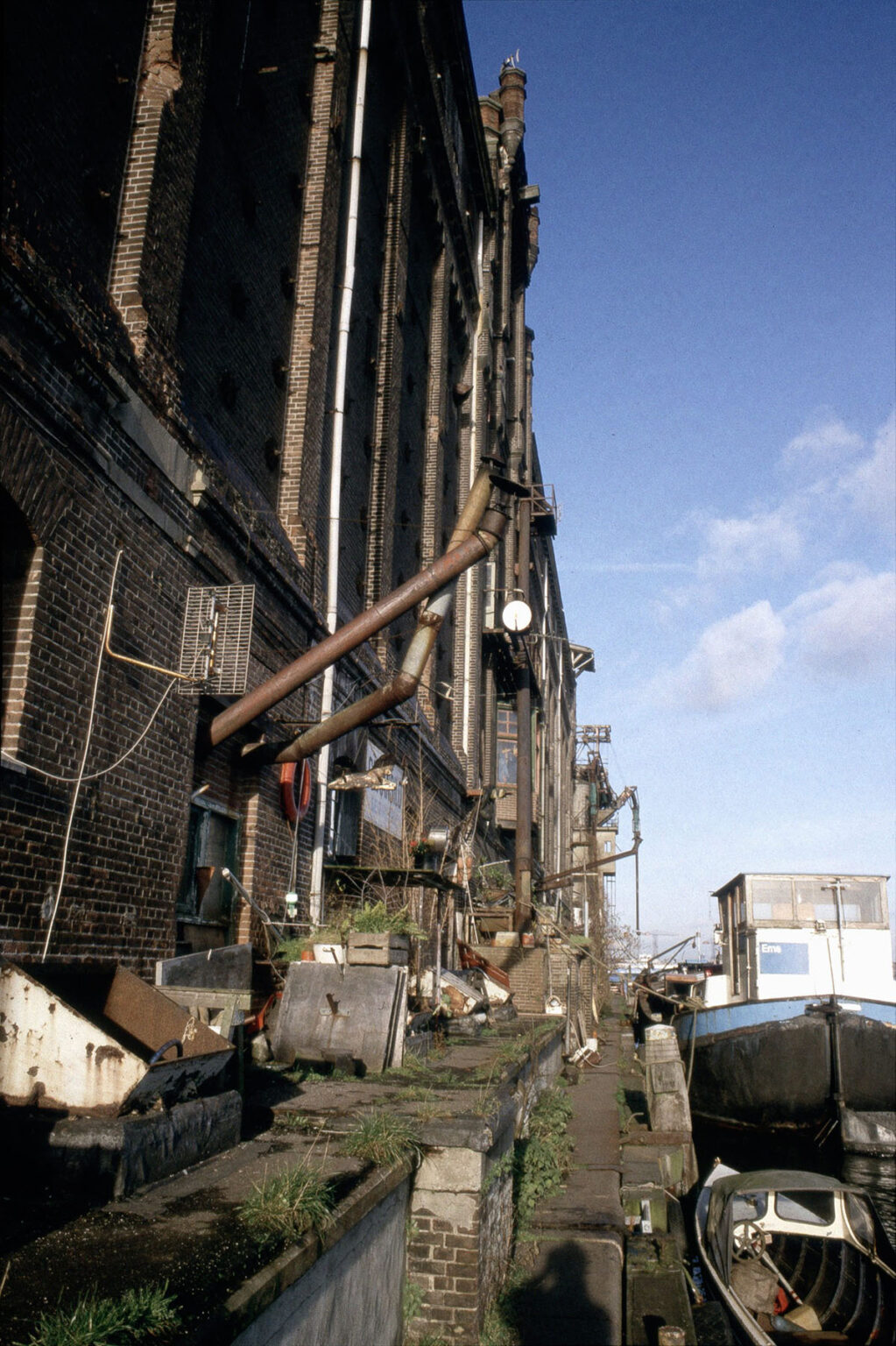
This Design Studio brings the wild and free 1980s in Amsterdam into dialogue with the present. We learn from the highly professional squatters of the time: how they structured and shaped their surroundings, dealt with rules and freedom, and incorporated instant objects into architecture and design.
The studio combines an analytical study of Amsterdam’s squatting culture, a personal investigation into its contemporary relevance, and a design project that pays homage to its concepts. After analysing the work documented by Dave Carr-Smith, each student identifies and presents a key point, followed by collective discussion. We then look for contemporary contexts in which improvisation is triggered and develop a design scenario within one of these contexts.
The studio connects to Urban Cultures by developing design tools through creative processes grounded in an understanding of social, historical and environmental conditions.
Sites: Amsterdam & Brussels.
Key questions
How can tactics of appropriation and improvisation developed by Amsterdam’s squatting movement inform contemporary architectural practice? How can vacancy, ownership, collective housing and individual freedom become productive conditions for design? How can architecture transform existing contexts from the inside out?
Position statement
Architecture of Appropriation examines how squatters use radical improvisation to appropriate the city. Vacant spaces are taken back into use, transforming buildings from the inside out while new forms of use, management and accessibility give them a new purpose in the neighbourhood. The studio explores how these tactics can inform contemporary architectural and urban practice.
Learning outcomes
Students develop an understanding of appropriation and improvisation as architectural and urban strategies. Through historical analysis, collective discussion and design research, they learn to identify the contemporary relevance of the Amsterdam squatting movement and translate its tactics into spatial propositions. The studio develops the ability to work with existing conditions, vacancy, ownership and collective forms of inhabitation while balancing rules and freedom, analysis and invention.
Expected deliverables
An individual or small-group storytelling design scenario (maximum three students), developed from the analysis of a chosen aspect of Amsterdam’s squatting culture and its translation into a contemporary context.