Terra Incognita: Trepça Mines
Instructor(s):
Gjiltinë Isufi, Gisèle Gantois
Engagement:
Craftsmanship
Location:
Gent
Language/Taal:
English
Semester:
Semester 1 Fall 2025
Description/Inhoud:
In the urgent need for regenerative and non-extractive practices, how do we look back at mines? Trepça, an industrial complex in Mitrovica, Kosovo, is Europe’s largest lead-zinc and silver ore mine which extends nearly 900 meters underground. Although only partially operational today, Trepça once employed up to 23,000 workers and stood as one of the leading economic giants of Yugoslavia. The hunger strike of 1,300 miners in February 1989, recognized as one of the longest underground strikes in history, is widely seen as the starting point of Yugoslavia’s dissolution. By critically engaging with these complex physical and historical layers of the mine, students will develop their own research trajectory. Questions of visual and spatial documentation will be crucial, encouraging the students to investigate the terra incognita in quest of unexpected spatial logics and latent histories.
Line of inquiry
Material Reality / Working With
Topic, Thematic Focus:
space; place; underground; mine; labor; extraction; Kosovo
Key Questions or Provocation:
This studio asks several questions, compartmentalized in spatial, political and embodied lenses:
– Is there architecture in the mine?
– Does space have political agency?
– What is the underground routine?
Methodologies or Formats:
Students are encouraged to visit similar sites, such as the C-Mine in Genk, or any other industrial, post-industrial or extractive landscapes.
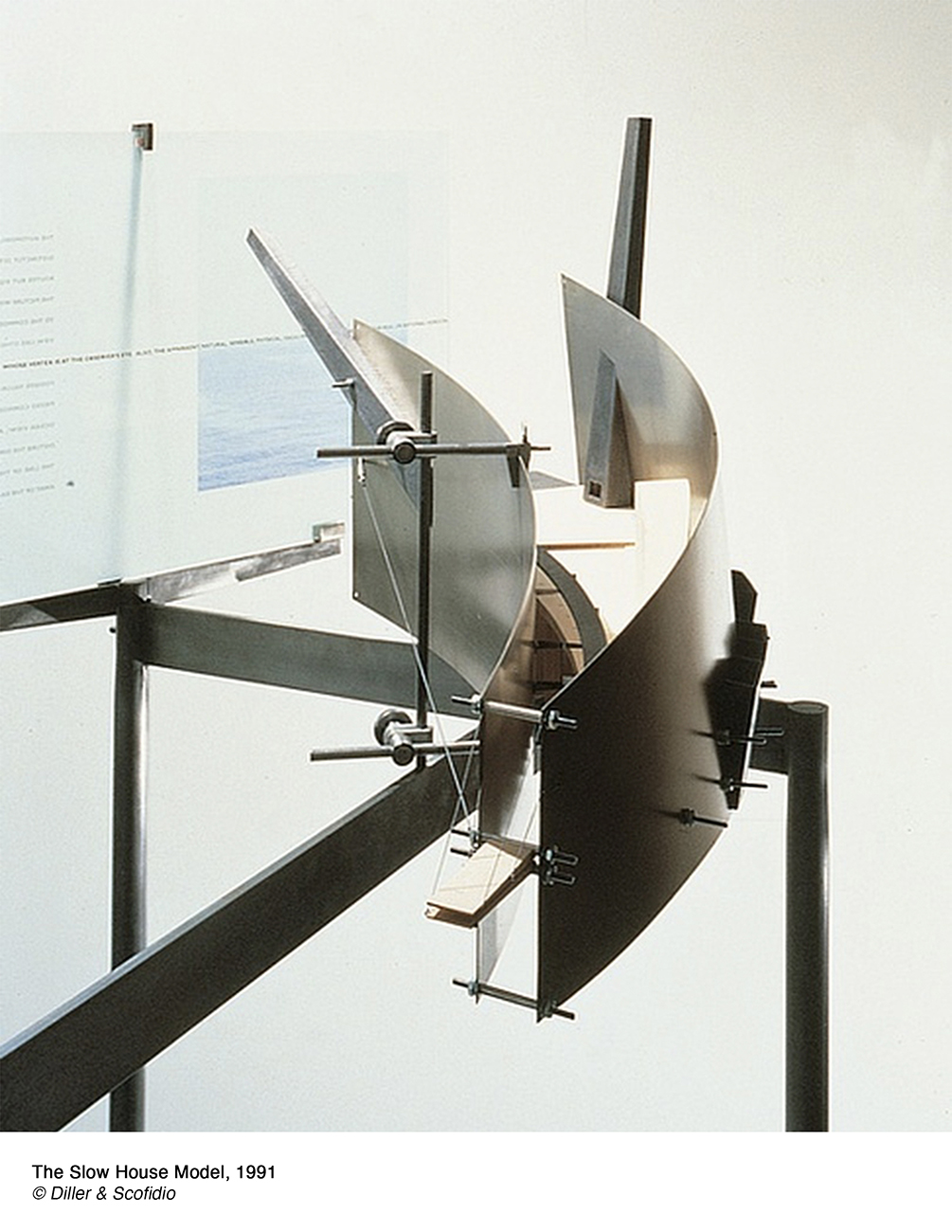
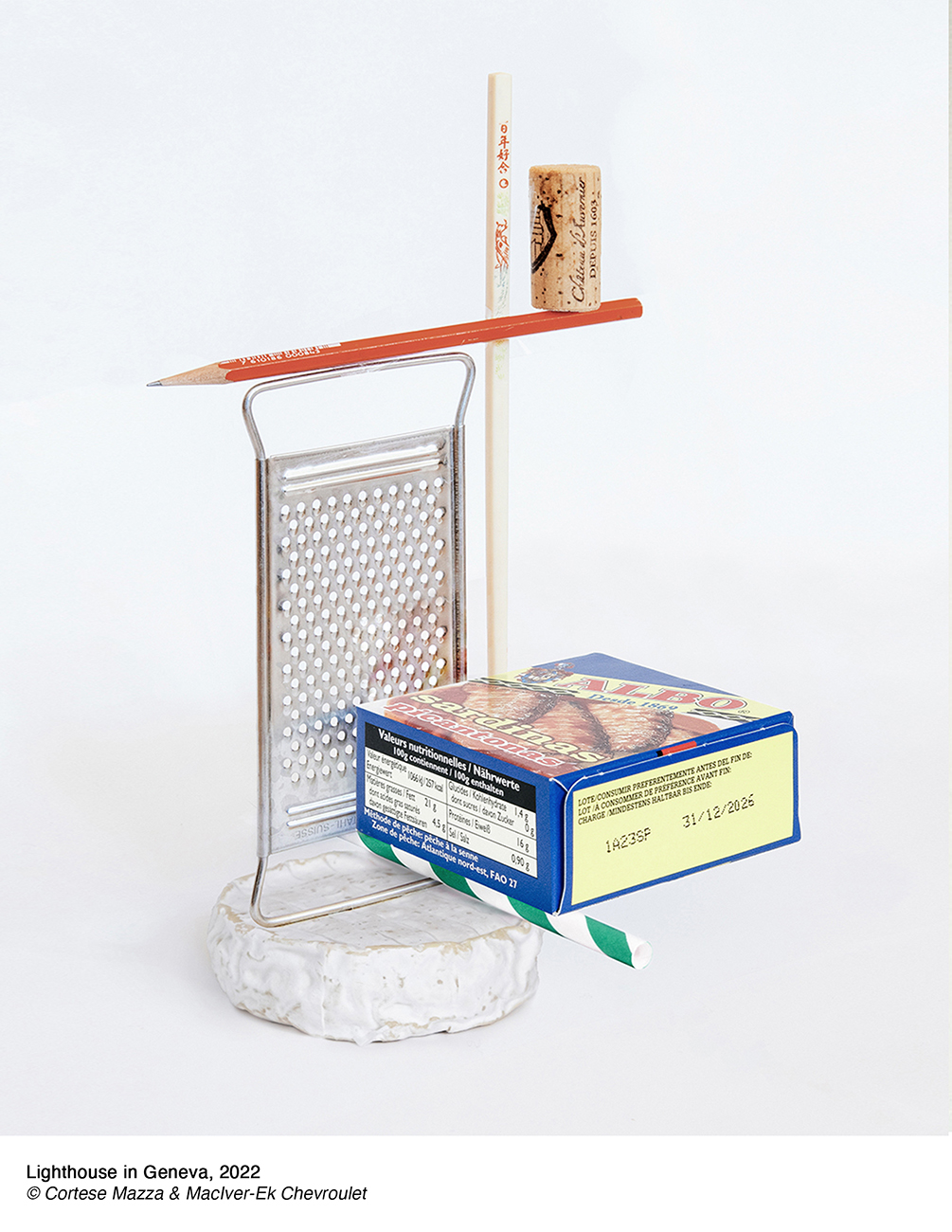
Students are expected to experiment with drawings, model-making, installations, or any other form of making throughout the semester.
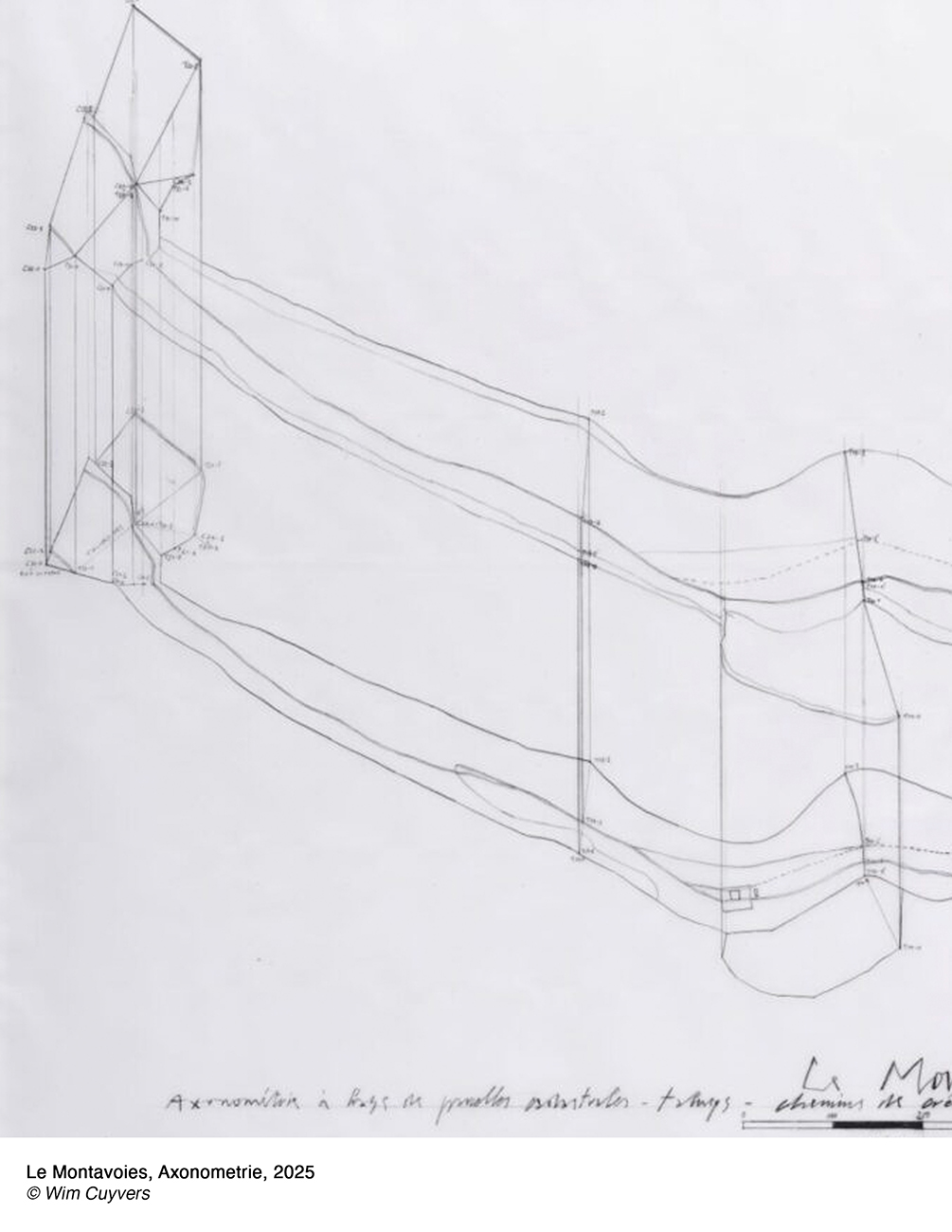
Alongside the act of making, students will build up their theoretical framework. A key focus will be exploring the ‘genre’ of underground technical drawings.
Design / Expected Outcome(s):
The format of the studio is rather free. What remains crucial in the studio is the visual and spatial documentation of the student’s inquiry. Thus, students are expected to use architectural drawings, models, and installations, not as mere representation, but as tools for research and perpetual discovery.
Deliverables:
From the start of the semester, we will work on a collective model alongside the students’ main work. This method allows for a collective understanding of the site, both above and below ground. Uncertainties and questions will potentially trigger new research inquiries.
- Find the full studio brief as pdf here.
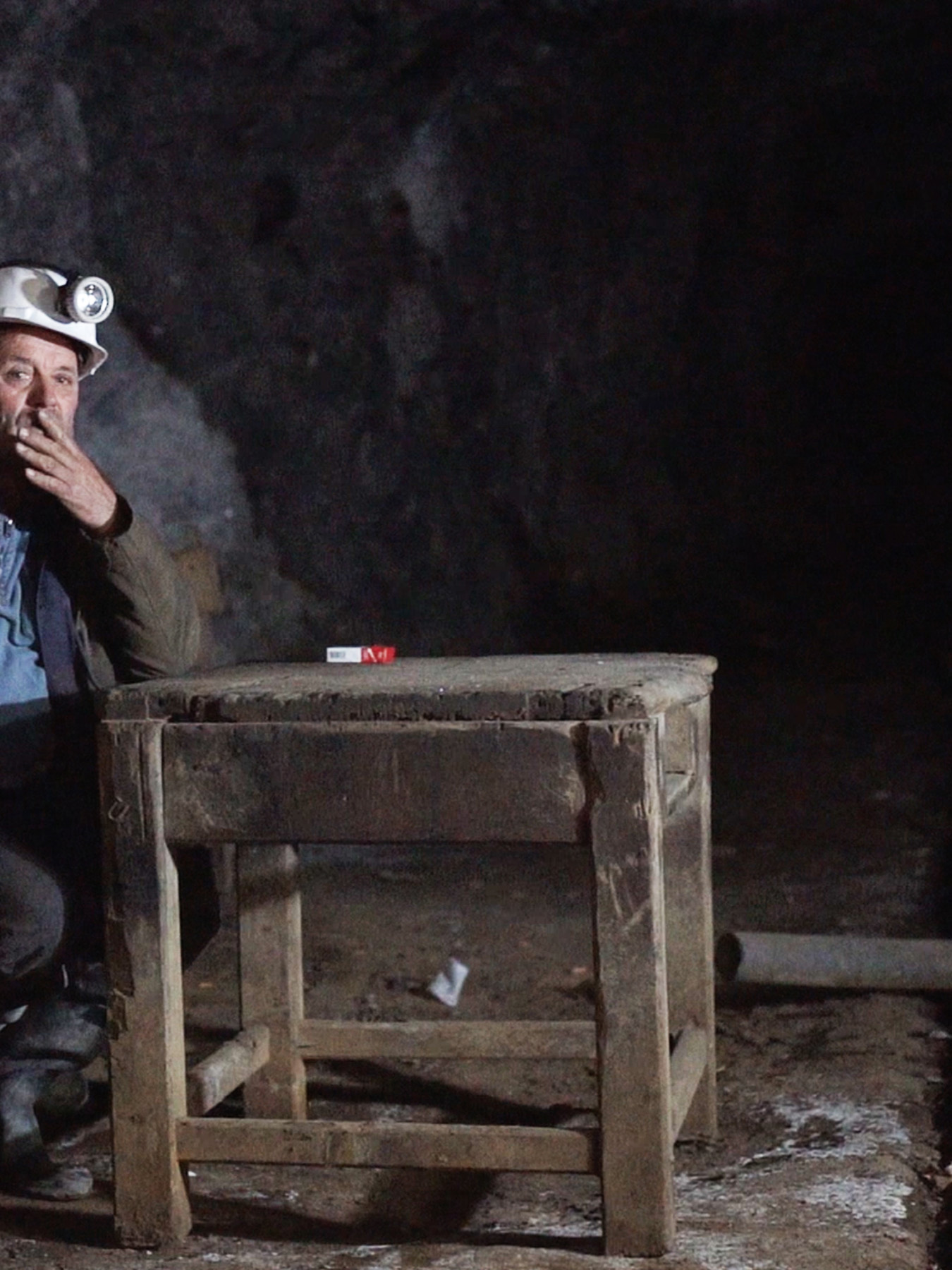
Photo: Gani Osmani in the 8th horizon of Stan Tërg, recalling the 1989 Trepça strikes.
© Gjiltinë Isufi, 2025