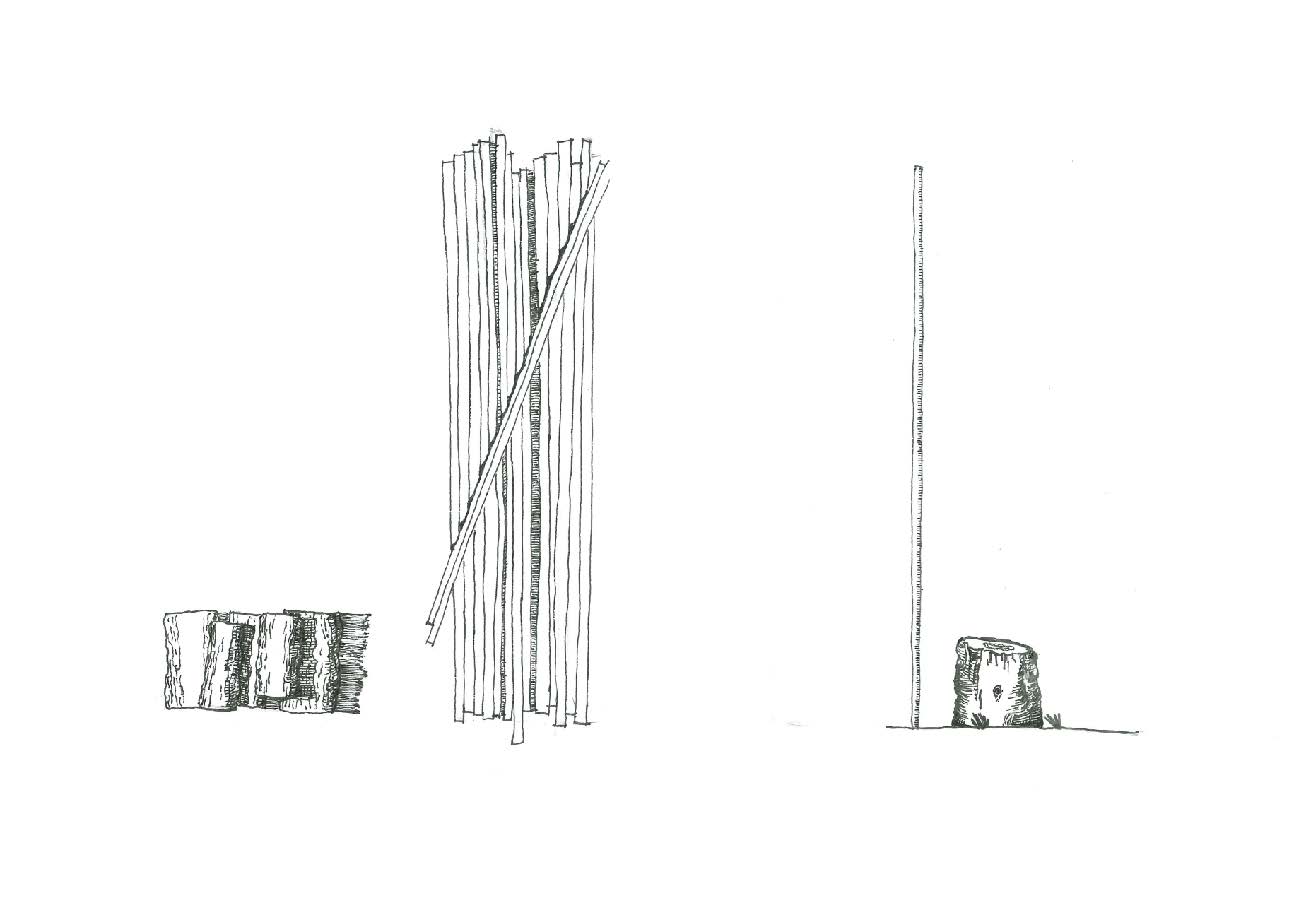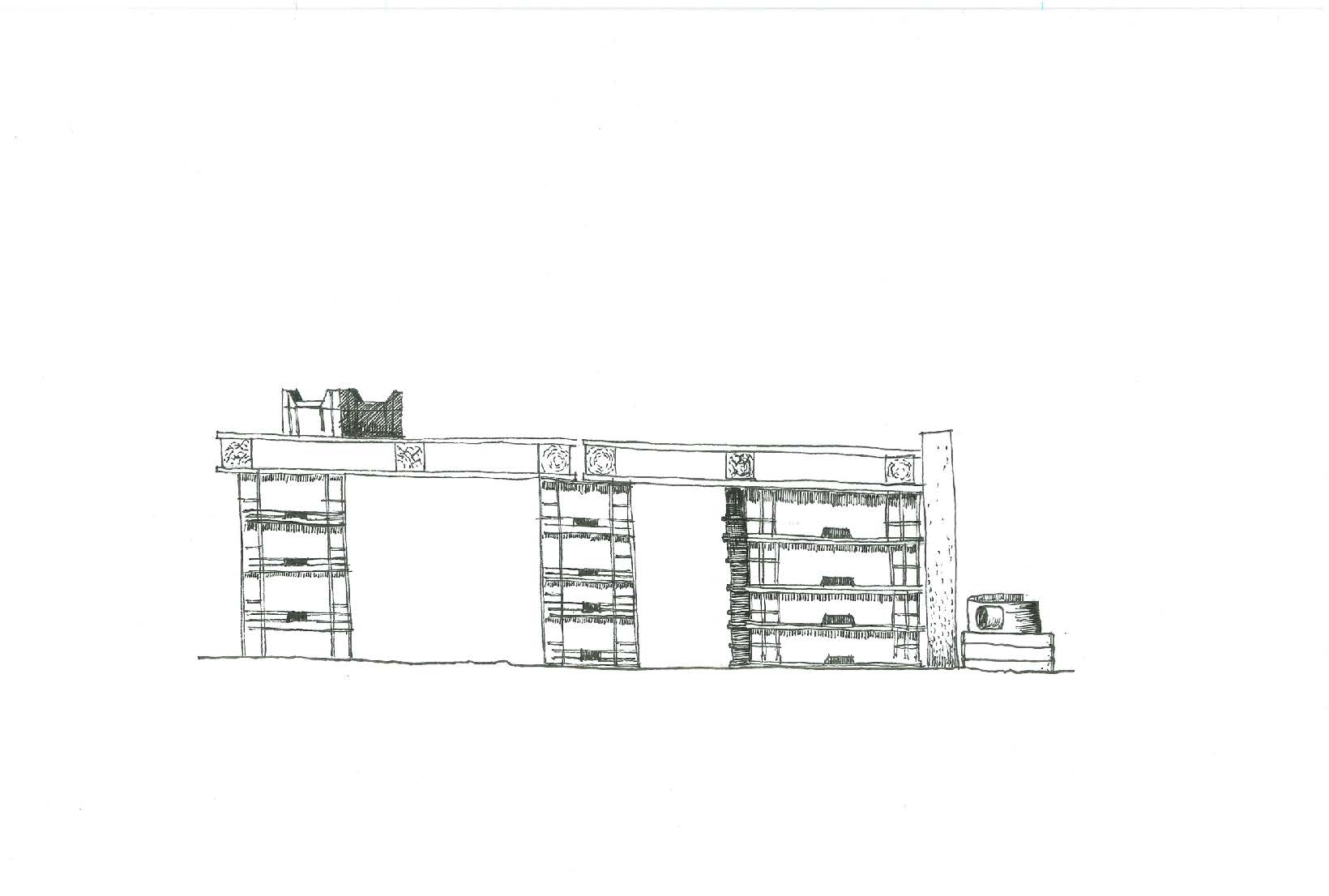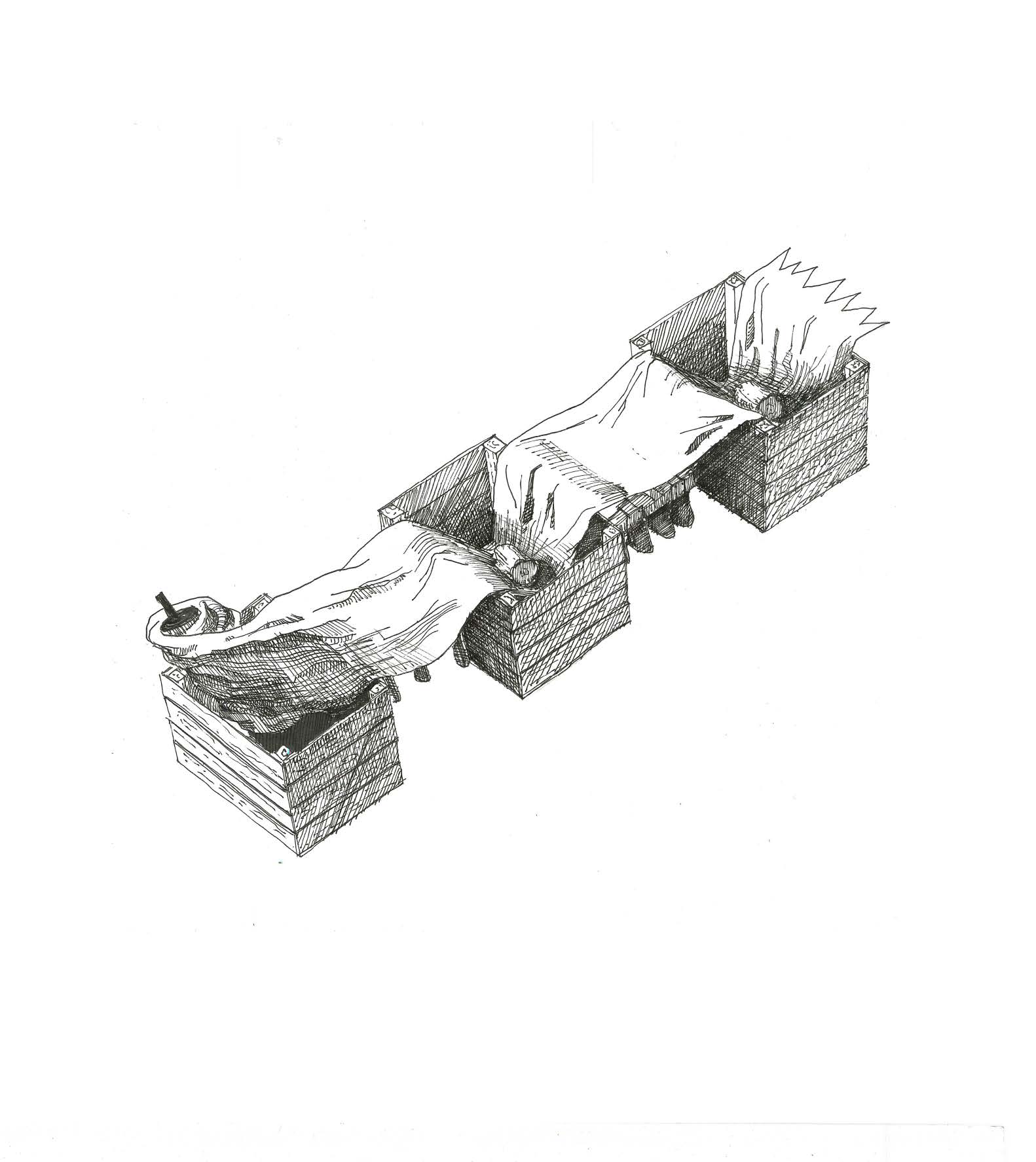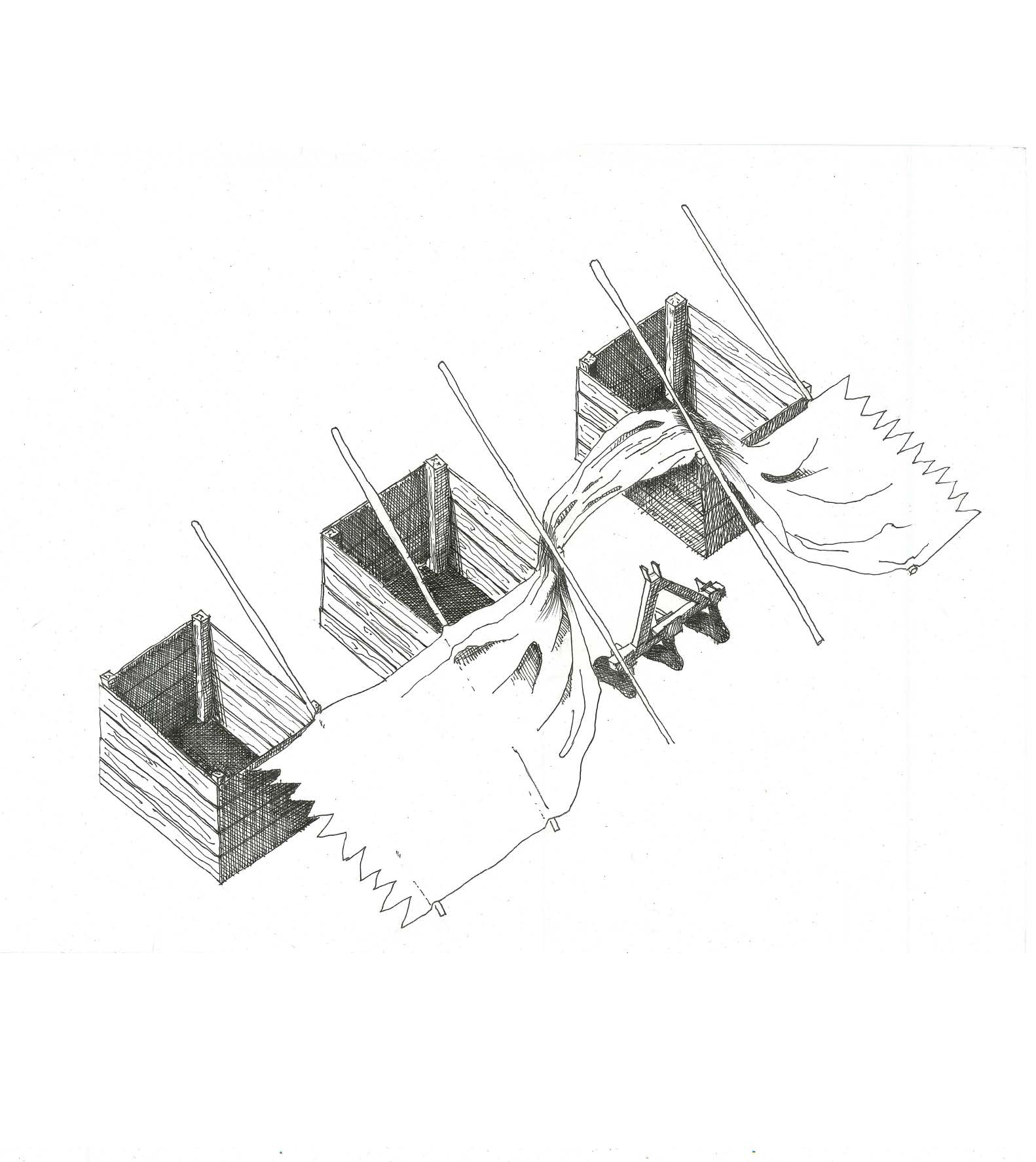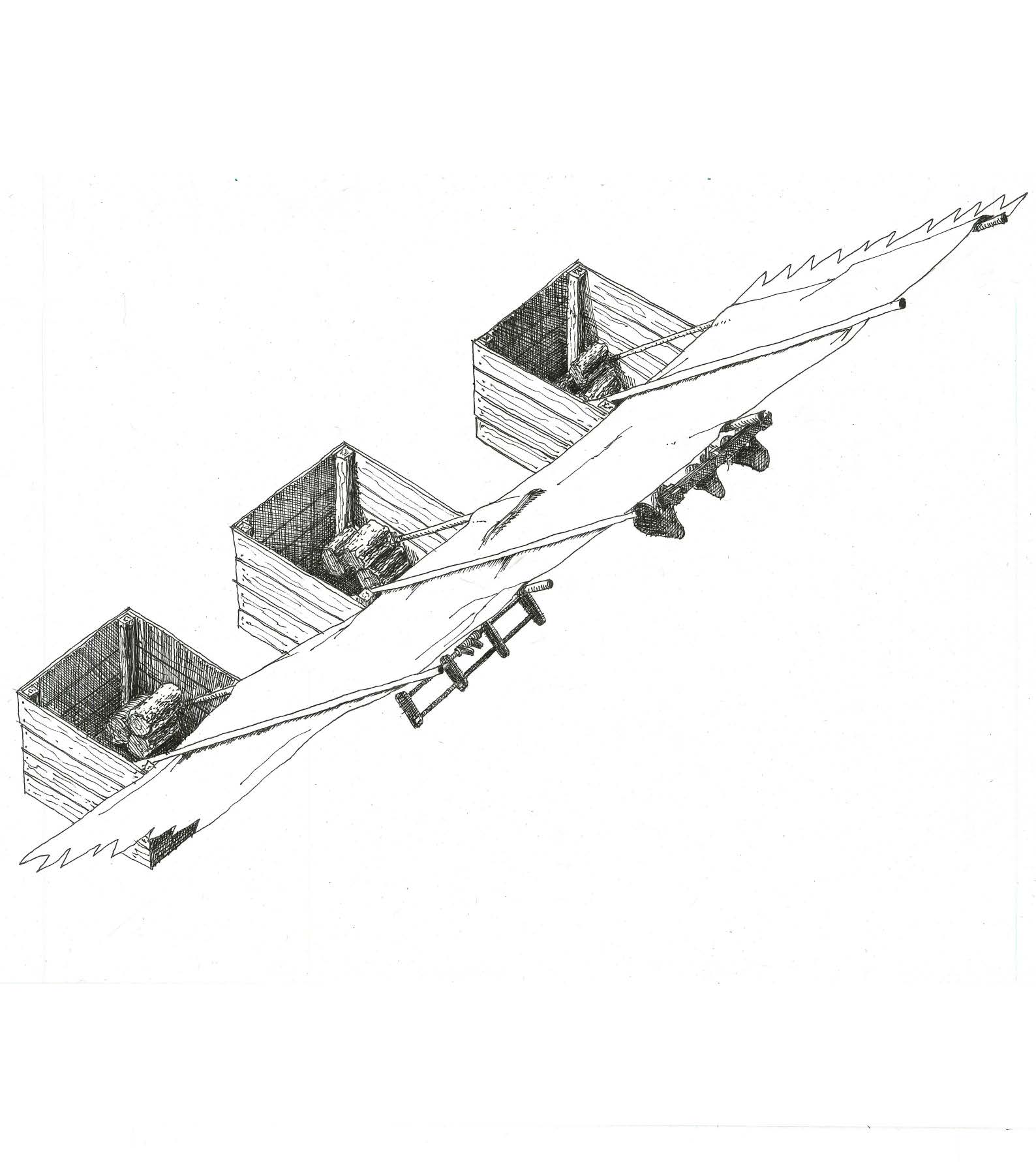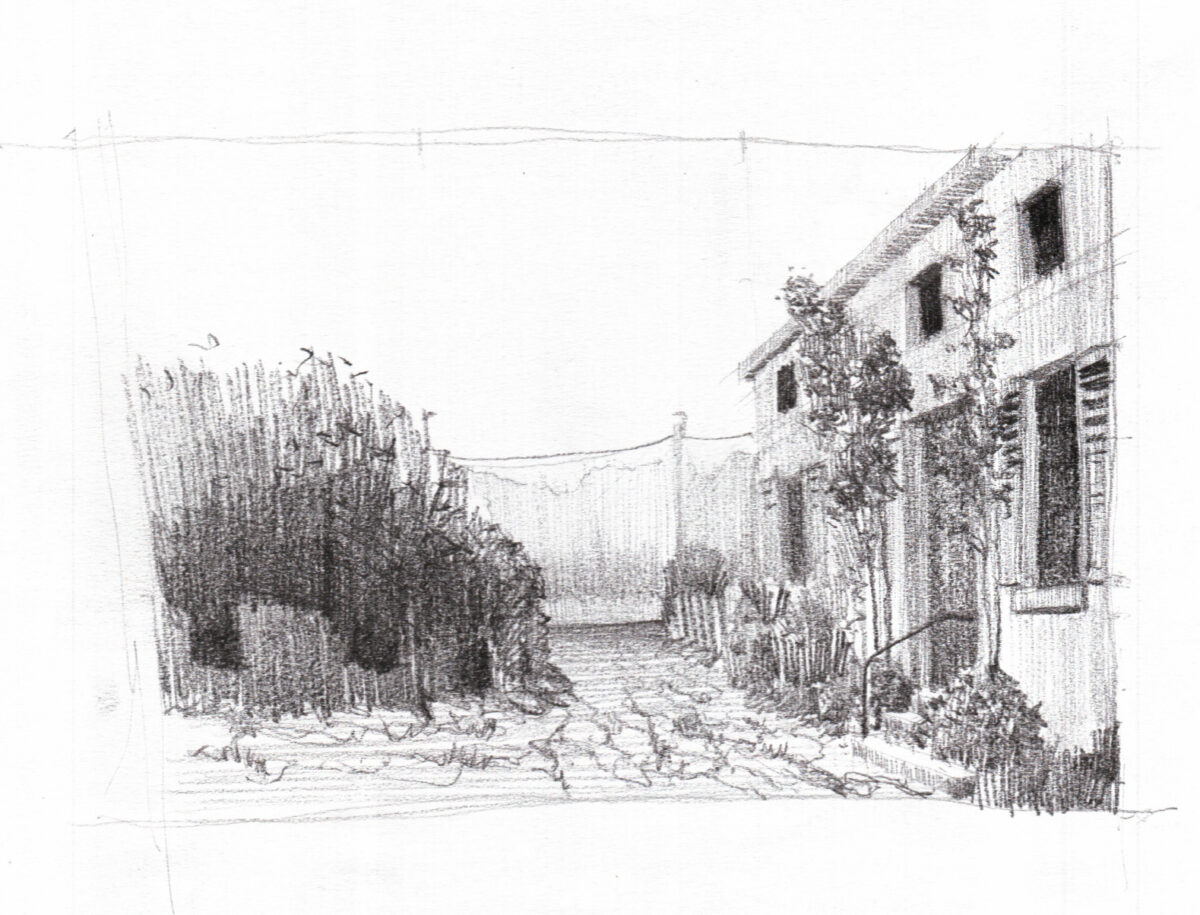
Beyond Conventional StorageBarnabás KarakasAll sorts of tools and materials can be found spread out on the farm seeminglyserendipitously, yet the farmer explains that the objects follow a certain logic. Hislogic. For instance, a cultivating attachment is laid out in the grass away from themain buildings, because he wants it closer to the fields without it blocking thepathways of production, since he only uses it when the soil needs to be loosened.Depending on how much the farmer values an item, determines how he stores itwhen it is not in use. The more important an item is, the more he controls theenvironment where the item will be stored. The fruits and vegetables that the farmproduces, which if spoiled, could be harmful for human consumption, are placed intemperature controlled storage rooms, while the more robust tools are left leaningagainst the wall of the shed, protected only from the rain by the roof.By examining the storing habits on the farm, we can start to question the need forconventional storage areas, and how architects design (storage) spaces. Taking acloser look at the personal systems apparent at the farm, we can extract uniqueways of storing, outlining a new meaning of storage ‘design’. This new insight canfurther help with the design of more speculative structures, dealing with the potentialof the materials that have yet to find their purpose. Instead of relying on genericdesigns such as shelving, these new structures are entirely constructed from thestored items themselves. This new way of storing ensures that the objects fulfill acertain function even if they are never taken out to be used, resulting in structuresthat are made to be standing, but meant to be dismantled.